Drink More Water
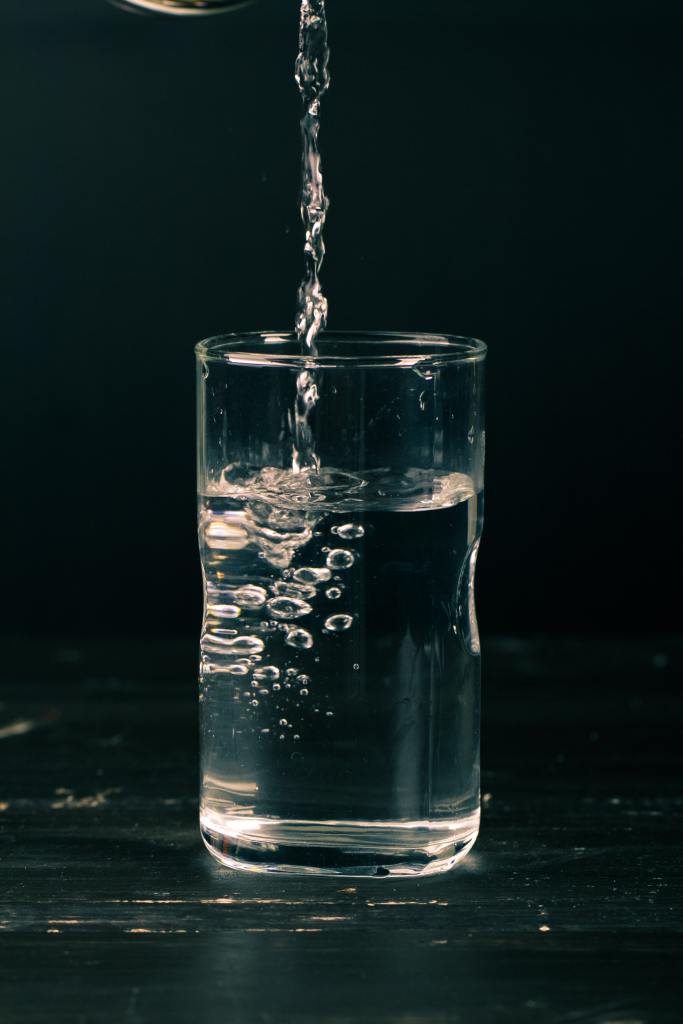
Water can be really helpful for weight loss. It is 100% calorie-free, helps you burn more calories and may even suppress your appetite if consumed before meals. The benefits are even greater when you replace sugary beverages with water. It is a very easy way to cut back on sugar and calories
Eat High fiber food

Americans should consume 28 grams of fiber per day if they’re following a 2,000 calorie diet, according to the FDA.
Unfortunately, we’re getting nowhere close to that amount. A report from the Food and Drug Administration says that the average American woman eats only 15 grams of fiber a day, while the average adult man consumes just under 19 grams per day.
Luckily, following a few smart swaps and intelligent additions of high-fiber foods to your diet can help you reach these suggested intake goals.
Running help to lose weight

These are the most popular types
Base runs: What most people would call a normal run. They are short-to-moderate length runs around 6 miles (10 km) and done at your natural pace.
Long runs: Longer versions of base runs done at the same pace but over a greater distance of around 10–12 miles (15–20 km). They help improve your overall fitness and endurance.
Interval runs: Short, intense runs repeated several times with short breaks in between. For example, 5 x 0.5 mile runs with 1/4 mile (400 meters) light jogging between each interval. These runs train your running power and speed.
Hill repeats: Similar to interval runs but done uphill. For example, 10 x 1-minute hill repeats. They train your running power and speed while improving stamina.
Recovery runs: Slow runs done after harder runs like hill repeats to add extra distance to your overall run. For example, a 4-minute run at a comfortable pace after a harder run.
Progression runs: These mimic competition-style runs by starting slow and finishing at a faster pace. They build endurance, speed and reduce fatigue. For example, 5 miles (8 km) at a natural pace, then 1 mile (1.5 km) at a fast pace.

 Step Two Fitness